POS SYSTEM
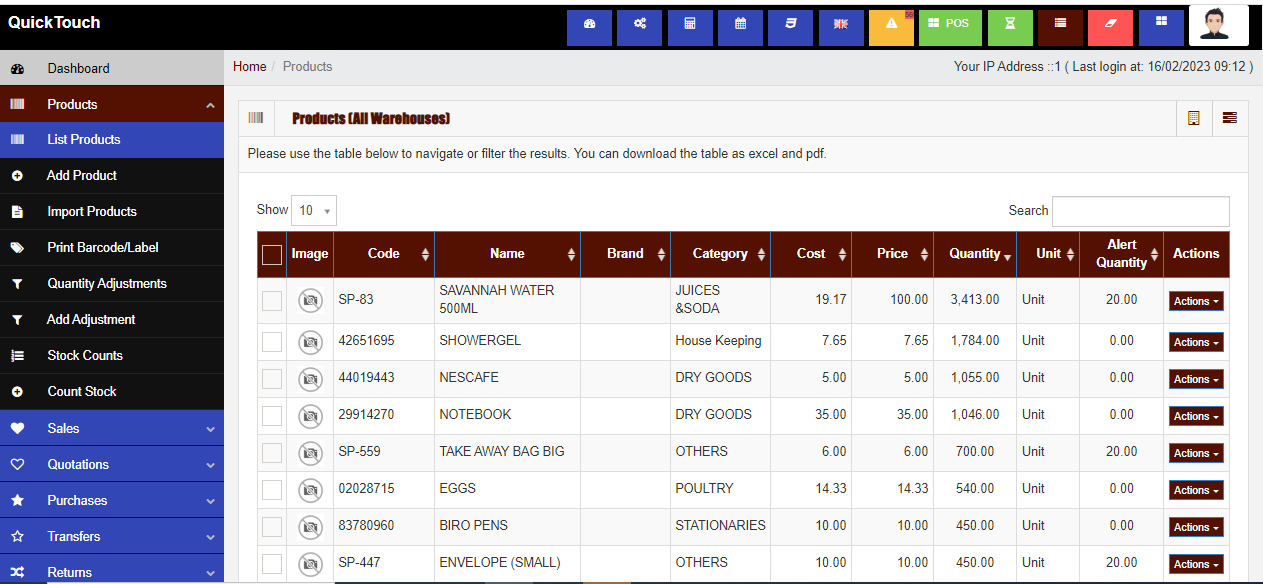
Sales management is a critical component for businesses, encompassing various activities like selling, buying, renting, and repairing. Mobile Applet Technicians (MAT) have developed a sophisticated Point of Sale (POS) system designed to streamline these processes. This system not only manages transactions efficiently but also enhances the overall customer experience.
Sales Management Invoicing in POS Systems
Key Features of POS System
1.Selling
– Efficient Checkout Process: The POS system provides a fast and seamless checkout process, reducing wait times and enhancing customer satisfaction.
– Inventory Management: Real-time inventory tracking ensures that stock levels are always accurate, preventing stockouts and overstock situations.
– Customer Relationship Management (CRM): The system integrates CRM features to help businesses maintain customer profiles, track purchase history, and implement loyalty programs.
– Sales Reporting and Analytics: Comprehensive reporting tools offer insights into sales performance, helping businesses make informed decisions.
2.Buying
– Supplier Management: The POS system includes a robust supplier management module, allowing businesses to maintain detailed records of suppliers, their products, and terms of purchase.
– Purchase Orders: Automated purchase order generation based on inventory levels helps in maintaining optimal stock levels.
– Receiving Goods: The system streamlines the receiving process, ensuring that incoming stock is accurately recorded and discrepancies are promptly addressed.
– Cost Management: Detailed tracking of purchase costs enables businesses to manage expenses and improve profitability.
3.Renting
– Rental Management: The POS system supports rental operations, allowing businesses to manage rental contracts, schedules, and pricing.
– Inventory Allocation: Real-time allocation and tracking of rental items ensure availability and prevent overbooking.
– Customer Contracts: Easy creation and management of rental agreements, including terms and conditions, duration, and pricing.
– Return and Maintenance Tracking: The system keeps track of rental item returns and schedules maintenance checks to ensure items are in good condition for the next customer.
4.Repairing
– Service Orders: The POS system facilitates the creation and management of service orders for repair jobs.
– Technician Assignment: Efficient assignment of repair tasks to technicians based on their availability and expertise.
– Parts and Labor Tracking: Detailed tracking of parts used and labor costs associated with each repair job.
– Customer Notifications: Automated notifications keep customers informed about the status of their repair orders.
– Warranty Management: The system manages warranty claims and tracks warranty periods for products serviced.
Additional Features
– Multi-Channel Integration: Seamless integration with e-commerce platforms, allowing businesses to manage online and offline sales from a single system.
– Mobile Compatibility: The POS system is optimized for mobile devices, enabling sales, purchases, rentals, and repairs on-the-go.
– Secure Payments: Advanced security features ensure safe and secure processing of payments through various methods, including credit/debit cards, mobile wallets, and cash.
– User-Friendly Interface: An intuitive interface makes it easy for staff to navigate and use the system, reducing the learning curve and enhancing productivity.
– Customization: The POS system offers customization options to cater to the unique needs of different businesses, ensuring a perfect fit for various operational requirements.